
Nigerian Mother Graduates With Two Master’s Degrees While Raising Two Children—Proof That Grit Defies Even The Toughest Odds
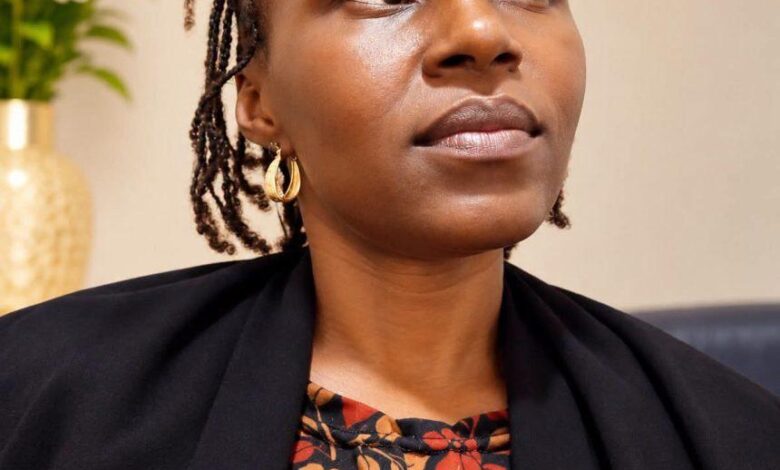

On Sunday, November 22, 2026, Maryam Ibrahim took to Facebook to publicly reframe the narrative surrounding divorce in Nigeria. Identifying herself as a survivor of a toxic marriage, Ibrahim cataloged a series of personal milestones achieved post-divorce, including single-handedly raising two children, completing two master’s degrees and a professional diploma, constructing a three-bedroom flat, and establishing the MHS Kazaure Royals.
Beyond her personal successes, Ibrahim highlighted her ongoing social advocacy, which involves providing medical, legal, and financial support to the vulnerable. She argued that the societal stigmatization of divorce forces many women to remain trapped in abusive unions, effectively shielding toxic men from accountability while heaping shame upon those seeking to escape domestic suffering.
Ibrahim’s testimony serves as a stinging indictment of a culture that prioritizes the outward appearance of a “stable” home over the actual safety and sanity of the individuals inside it. For too long, the Nigerian social fabric has been stitched together with the threads of silence and endurance. We have created a reality where a woman is expected to sacrifice her mental health, physical safety, and personal potential at the altar of marital status, while the men responsible for that wreckage face zero social consequences.
The hypocrisy is glaring. Society often treats a divorced woman as a “failed project,” yet it remains deafeningly silent when that same woman is being systematically dismantled by an abusive partner. This isn’t just about personal choice; it is about the systemic enabling of tormentors. When we applaud men who hold their wives captive in misery and mock women who choose to reclaim their autonomy, we aren’t protecting “traditional values.” We are actively promoting dysfunction and teaching the next generation that dignity is negotiable.
Ibrahim’s list of achievements—building homes, earning degrees, and supporting the community—is a blunt rebuttal to the misogynistic trope that a woman’s life ends or loses value once she is no longer a wife. It is time to stop viewing divorce as a shameful defeat and start viewing it for what it often is: a necessary, life-saving act of self-preservation. Until we collectively condemn the abuse occurring behind closed doors with as much fervor as we currently condemn the act of leaving, our society will continue to stagnate in a cycle of toxic, performative stability.
