
“Rigging Is A Crime, The Remedy Lies In The Law” — INEC Warns ‘Rig And Die’ Slogan Could Trigger Violence In 2027 Elections
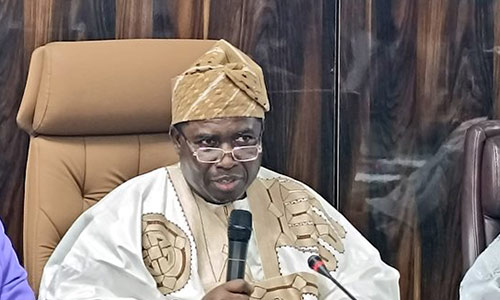
The Independent National Electoral Commission (INEC) has warned political leaders, parties and their supporters against the use of threatening political slogans, particularly “Rig and Die”, cautioning that such expressions could provoke violence, endanger innocent citizens and undermine the peaceful conduct of the 2027 general elections.
The Commission maintained that allegations of electoral malpractice must be addressed through lawful channels rather than threats, intimidation or violence against electoral officials and other participants in the electoral process.
INEC National Commissioner and Chairman of its Information and Voter Education Committee (IVEC), Mohammed Kudu Haruna, gave the warning on Monday, November 23, 2026, in Abuja, during a forum organised by the Commission for journalists, media executives and other stakeholders.
The forum, which brought together representatives of the Nigeria Union of Journalists (NUJ), Newspaper Proprietors Association of Nigeria (NPAN), Nigerian Institute of Social Media Analysts (NISMA) and media executives, was held under the theme, “Ethical and Professional Standards in Election Reporting Ahead of 2027 General Election.”
Speaking on the dangers of inflammatory political rhetoric, Haruna specifically identified the slogan “Rig and Die” as an expression capable of creating hostility and encouraging attacks during elections.
He explained that although proponents of the slogan might claim that it was directed exclusively at individuals involved in electoral manipulation, its interpretation by an agitated crowd could have dangerous consequences.
According to the National Commissioner, those most likely to suffer from such threats at polling units are ordinary Nigerians performing their electoral responsibilities, including presiding officers, assistant presiding officers, collation officers, voters, political party agents and election observers.
Haruna warned that electoral tensions could escalate rapidly when supporters interpreted delays in the announcement of results, technical difficulties or unverified rumours as evidence of manipulation.
He cautioned that a politically charged crowd might act on suspicion without establishing the facts, potentially resulting in violence and irreversible consequences for innocent people.
The INEC Commissioner therefore urged political leaders and their supporters to avoid expressions that could encourage violence or justify attacks on individuals accused of electoral malpractice.
He maintained that electoral offences were already covered by existing laws, which provided appropriate penalties and mechanisms for addressing violations.
“Rigging is a crime, and the Electoral Act 2026 prescribes penalties for it. The remedy lies in the law,” Haruna declared.
He also drew attention to Section 33 of the 1999 Constitution, which guarantees the right to life, stressing that allegations or suspicions of electoral wrongdoing could not justify taking another person’s life.
Haruna identified the transparent transmission and viewing of results through INEC’s Result Viewing Portal (IReV), vigilant election observation, formal complaints to the Commission and security agencies, and recourse to the courts as appropriate measures for addressing suspected electoral malpractice.
He explained that such procedures provided lawful avenues for challenging irregularities without exposing electoral officials, voters and other participants to violence.
The Commissioner urged journalists and media organisations to exercise caution in reporting political slogans that could encourage hostility.
While acknowledging the media’s responsibility to report newsworthy statements, he warned against unnecessarily amplifying threatening expressions through sensational headlines, hashtags and trending social media topics.
“Report it where it is news, but with its context, the legal position and the safety of electoral officials in view,” Haruna told media practitioners.
He stressed that threats of violence should not be confused with robust political debate, maintaining that such conduct constituted offences requiring appropriate attention from security agencies.
Haruna equally condemned attempts to intimidate journalists, insisting that freedom of the press and the safety of the electoral environment were essential to the credibility of democratic elections.
Addressing the responsibilities of the media ahead of the 2027 general elections, the National Commissioner urged journalists, editors, media executives and social media analysts to uphold professional ethics in their reporting.
He explained that public confidence in the electoral process depended significantly on the quality, accuracy and credibility of information disseminated by the media.
According to Haruna, most Nigerians would depend on journalists and media organisations for information about polling arrangements, voter accreditation, voting procedures, collation and the declaration of election results.
He observed that the media occupied an important position between INEC and the electorate because many citizens would not directly witness the deployment of the Bimodal Voter Accreditation System (BVAS), the signing of result sheets or other critical electoral procedures.
The Commissioner therefore urged journalists to prioritise verification and accuracy rather than rushing to publish information without establishing its authenticity.
