
British Mother and Son Charged With Murder After Man Stabbed to Death in Cyprus—A Brutal Reminder That Paradise Can Hide Deadly Secrets
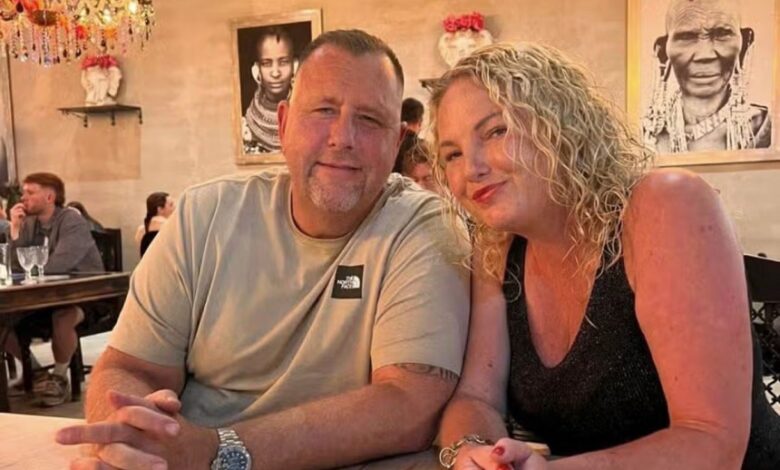
Craig Tennant, a 51-year-old British national, was discovered with fatal stab wounds at his home in Peyia, Paphos, Cyprus, on the morning of November 9. Following an emergency transport to Paphos General Hospital, Mr. Tennant succumbed to injuries identified by an autopsy as massive internal bleeding caused by an aortic injury.
Three individuals—42-year-old Katie Frederick, her 20-year-old son John Frederick, and a 35-year-old woman—have been formally charged with murder and conspiracy to murder. The case has been transferred to the Paphos criminal court, with the next session scheduled for January 22. The 35-year-old suspect also faces additional charges for possession of controlled drugs after authorities allegedly discovered 19 grams of cocaine in her cell.
The tragic death of Craig Tennant strips away the romanticized veneer of the “ex-pat dream.” For many, relocating to a Mediterranean sun-drenched coastal town like Peyia is sold as a permanent vacation—a “happy place” where the pressures of life disappear. Yet, the reality revealed by this investigation is far more clinical and grim. We are looking at a violent end in a domestic setting that exposes how quickly a supposedly tranquil life can descend into a nightmare of accusations, jail cells, and police investigators combing through landfills for a missing murder weapon.
The public record here is telling. Katie Frederick’s social media posts, filled with domestic imagery of roast dinners and declarations of gratitude for her “happy place,” stand in grotesque contrast to the cold, legal reality of homicide charges and the grim search for evidence. It is a stark reminder that physical distance from one’s home country does not provide immunity from the darker impulses of human behavior. No amount of “golden hour” photography or idyllic scenery can mask the brutal nature of an aortic injury caused by a knife.
The investigation is ongoing, and the laundry list of police activity—taking over 60 statements, scrutinizing 20 different CCTV feeds, and coordinating with Interpol—points to a complexity that suggests this was no impulsive act, but a dark, unfolding conspiracy. As the suspects await further legal proceedings, the British public and the international community are left with a sobering look at how the veneer of a “new life” can shatter into a criminal case of the highest order. The diplomatic machinery of the Foreign, Commonwealth and Development Office is now in motion, providing support to the families involved, but for Mr. Tennant, the “roller coaster” of his move to Cyprus has come to a definitive and violent end.
