
Ogun SWAT Arrests Notorious Cultist and Recovers Pistol in Abeokuta—The Enduring Plague of Gang Violence Threatening Community Safety
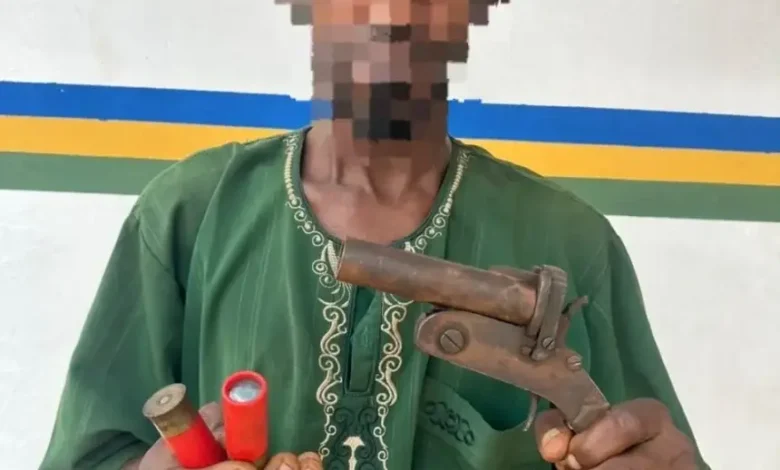
Operatives from the Special Weapons and Tactics (SWAT) unit of the Ogun State Police Command apprehended 25-year-old Yusuf Olasunkami on Saturday, November 21, following an intelligence-led raid in the Odo Eja area of Bode Olude, Abeokuta. The arrest, executed under the supervision of SP Obeh Eneye, resulted in the recovery of a locally made pistol, two expended cartridges, and one live round of ammunition.
According to the official statement released by the Command’s spokesperson, DSP Oluseyi Babaseyi, Olasunkami is allegedly linked to the Aiye Confraternity. The suspect remains in police custody as authorities continue their investigation into his network and potential accomplices. Commissioner of Police Bode Ojajuni has since touted the operation as a win for proactive, intelligence-driven policing, while calling on the public to provide further tips to curb the state’s persistent cult menace.
While the police deserve credit for removing another illegal firearm from the streets of Abeokuta, this arrest is merely a Band-Aid on a festering, systemic wound. The recurring nature of cult-related violence in Ogun State is not just a policing failure; it is a profound societal breakdown. Every time a “suspected cultist” is paraded, the public is expected to applaud, yet these groups continue to recruit young men into a cycle of terror and violence that the current strategies have failed to dismantle.
The standard police refrain regarding “actionable intelligence” and “commitment to protecting lives” has become a tiresome script that rings hollow to the average citizen living in fear of these gangs. Arresting one individual with a locally made pistol is a tactical success, but it does nothing to address the structural decay—the lack of opportunities, the influence of political godfathers, and the porous nature of communities where these fraternities thrive. If the police command were truly committed to rooting out the problem, we would see fewer press releases about individual arrests and more results regarding the actual kingpins and sponsors who supply these weapons.
The reality is that until the authorities stop treating these incidents as isolated crimes and start treating them as an existential threat to public order—backed by aggressive intelligence that targets the hierarchy of these criminal syndicates rather than just the foot soldiers—the cycle of violence will continue. The public is tired of being asked to provide “credible information” while the streets remain unsafe. Performance policing is not the same as effective security, and residents deserve far more than the current status quo of reactive raids.
