
“We Are Not Asking Any Party To Dissolve Itself” — Lukman Explains NDC, ADC, PDP, SDP And Three Other Parties’ Coalition Ahead Of 2027
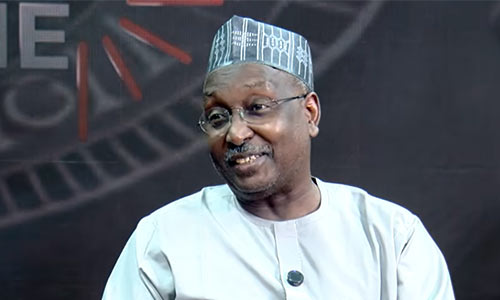
Former National Vice-Chairman of the All Progressives Congress (APC) and political organiser, Salihu Lukman, has announced that six opposition political parties will formally sign a national covenant on November 30, 2026, as part of efforts to strengthen political cooperation ahead of the 2027 general election.
Lukman, who is the convenor of the G100 political pressure group, disclosed that although the participating parties had reached an agreement on the proposed coalition framework, discussions on presenting a common presidential candidate remained unresolved.
The parties involved in the initiative, known as the Coalition for Democracy, include the African Democratic Congress (ADC), African People’s Movement (APM), Nigeria Democratic Congress (NDC), the Tanimu Turaki-led faction of the Peoples Democratic Party (PDP), People’s Redemption Party (PRP) and Social Democratic Party (SDP).
Speaking during a television interview, Lukman explained that the signing ceremony, originally scheduled for November 23, had been postponed to Monday, November 30, following consultations with the leadership of the participating political parties.
He said the postponement was intended to allow party leaders, presidential candidates and their running mates to adjust their campaign schedules and attend the event.
According to him, the coalition had made considerable progress in bringing the opposition parties together, despite differences in their political interests and presidential ambitions.
Lukman, who described himself as “not a key coordinator, but a key servant”, said he had spent considerable time engaging party leaders to secure their participation.
He explained that the parties had already agreed on the principles contained in the proposed covenant and would formally endorse the document during the public ceremony.
The agreement will be signed by the national chairmen of the participating political parties, whom he identified as the officials constitutionally authorised to commit their respective parties.
Lukman disclosed that the coalition had developed three major documents to guide its activities, including a national covenant for democratic renewal, a framework for opposition unity and a national reform programme.
He explained that the covenant would outline the principles guiding cooperation among the parties, while the framework for opposition unity would establish procedures for collaboration and resolving disagreements.
According to him, the national reform programme would contain a minimum set of policy commitments to be pursued by any government emerging from the coalition.
The programme, which he described as a form of collective manifesto, was developed by reviewing the participating parties’ policy documents and identifying areas of agreement.
He said education and other national development priorities would form part of the common reform agenda.
Lukman added that the documents would be made available to journalists and members of the public during the November 30 event.
He also explained that the coalition would outline the nature of its cooperation, which could include joint political campaigns and coordinated electoral activities.
However, he acknowledged that the precise arrangements would require further negotiations between November 30 and the general election.
On the controversial issue of adopting a common presidential candidate, Lukman admitted that the coalition had not reached an agreement or established a mechanism for selecting a single candidate.
He explained that the initiative involved political parties with already recognised presidential candidates and that any arrangement concerning a common ticket would require the consent of the candidates and their respective parties.
According to him, the coalition was not intended to dissolve existing opposition parties or force them to surrender their identities.
He maintained that the participating parties would retain their structures while negotiating areas of political cooperation.
Lukman said the organisers deliberately avoided making the selection of a common presidential candidate a precondition for discussions because doing so could have prevented the coalition from taking shape.
He explained that introducing the question of which candidate should step down at the beginning of the negotiations would have made it difficult to bring the parties together.
“If we put that question, we are not going to make any headway,” he said, adding that such an approach could “scatter the table”.
According to him, the coalition had concentrated its efforts since August on establishing communication and building sufficient confidence among the participating parties.
